
Research Grade Peptide
✓ Research Grade
✓ > 99% Purity
✓ Third-Party Verified

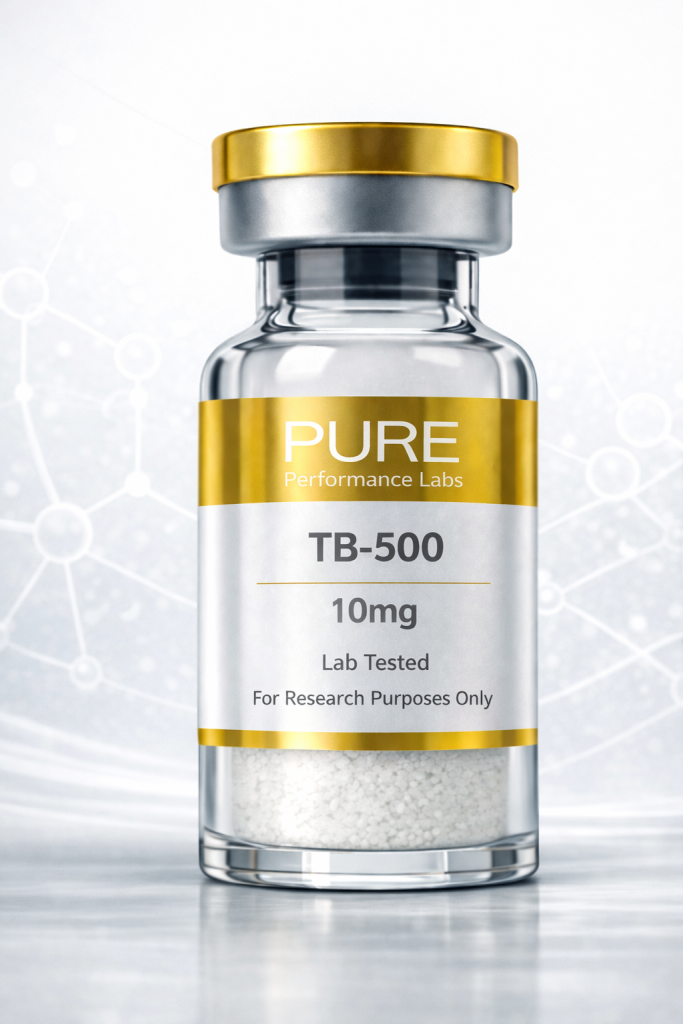
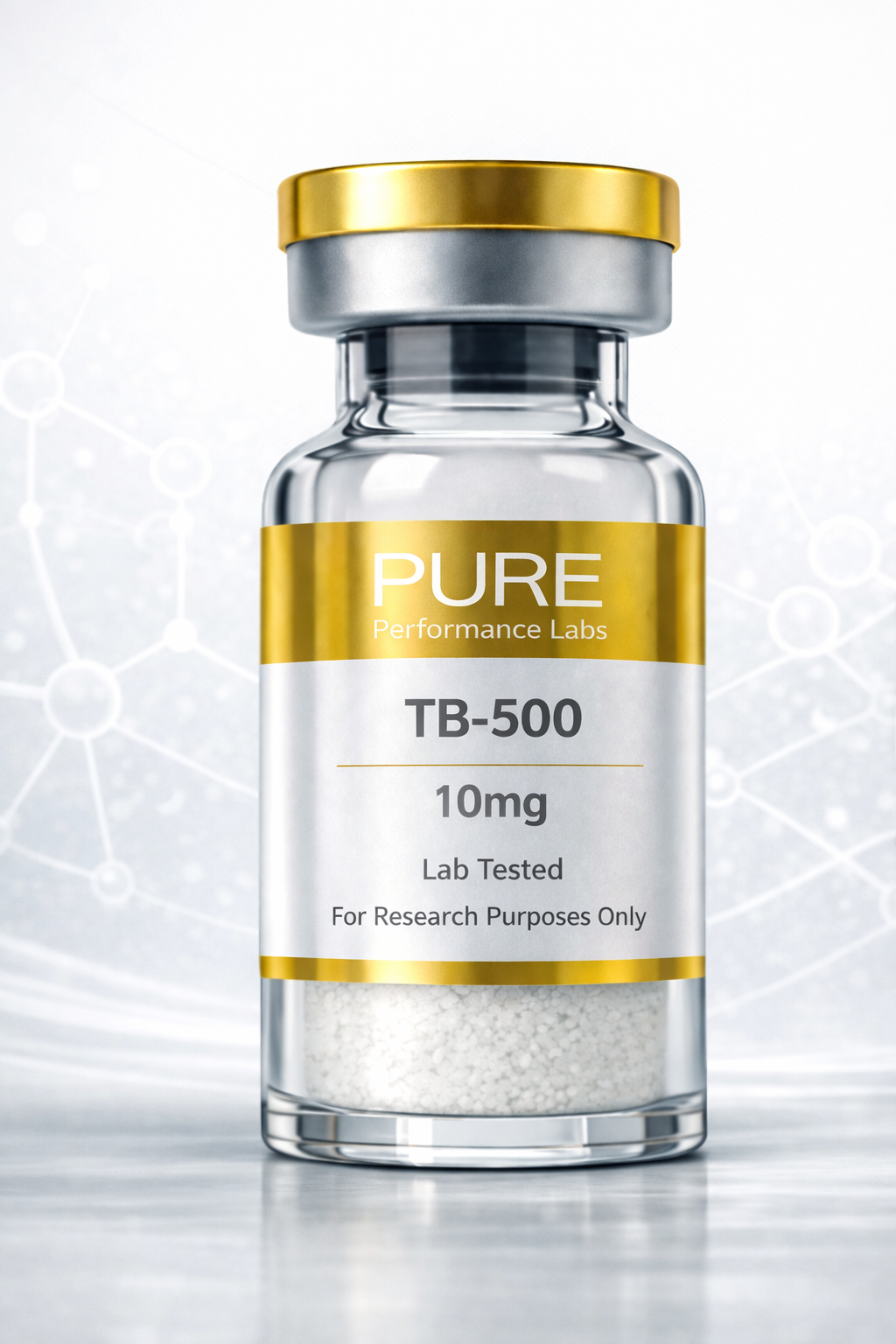
Price range: R599,00 through R899,00
Thymosin β4 fragment — studied for tissue repair, wound healing, and recovery in research settings
Every qualifying vial includes a complimentary purchase kit at no additional cost.
Thymosin Beta-4 is a naturally occurring peptide in your body that acts as a 'repair signal' - telling damaged cells how to heal and regenerate more effectively.
It promotes the migration of stem cells to injured areas, helps form new blood vessels, reduces inflammation, and prevents excessive scar tissue. It's especially effective for injuries that aren't healing properly on their own.
Best for research into chronic injury recovery, tendon and ligament repair, wound healing, reducing fibrosis (scar tissue), and improving tissue flexibility.
TB-4 promotes tissue repair through multiple mechanisms: actin regulation for cell motility, promotion of endothelial cell differentiation and migration, inhibition of inflammatory mediators, and activation of tissue-resident stem cells. It essentially optimizes the cellular environment for healing.
Thymosin Beta-4 is naturally produced by the thymus gland and found in high concentrations in wound fluids, platelets, and other tissues. TB5 (5mg) is the pure, synthetic version.
TB-4's primary mechanism involves sequestering G-actin monomers, regulating actin polymerization which is essential for cell structure, movement, and division during tissue repair.
Research shows positive effects across multiple organ systems: cardiovascular, dermatological, neurological, and musculoskeletal - rare for a single peptide compound.
RECOMMENDED RECONSTITUTION GUIDE This guide explains how research peptides are commonly reconstituted using bacteriostatic water (BAC water), and shows how dosing volumes correspond to syringe units. Always follow sterile preparation techniques when handling research peptides.
Always follow sterile preparation techniques when handling research peptides.
Reference information for laboratory handling of TB-500.
View Certificate of Analysis Each batch of TB-500 is independently tested by third-party laboratories. Download the Certificate of Analysis to verify purity, identity, and quality.
Research Grade Peptide
| milligrams | 10mg, 5mg |
|---|
Only logged in customers who have purchased this product may leave a review.
There are no reviews yet.
Only logged in customers who have purchased this product may leave a review.
Explore related compounds commonly viewed alongside this product.

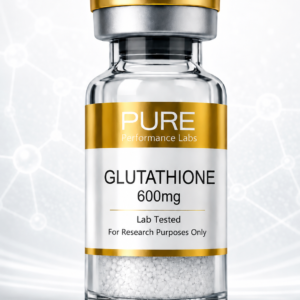
This product is intended for research and laboratory use only. Always consult qualified researchers and follow appropriate safety protocols.
AGE VERIFICATION
You must be 18 years or older to access the Pure Performance Labs website. Please confirm your age to continue.
By entering this website, you confirm that you meet the minimum age requirement.
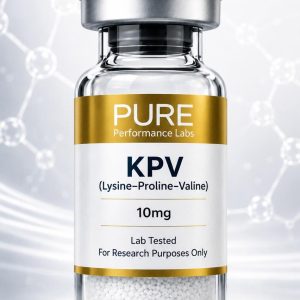
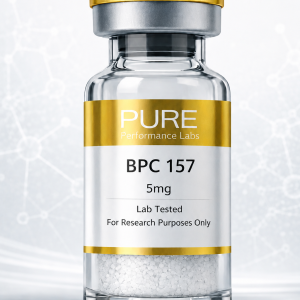
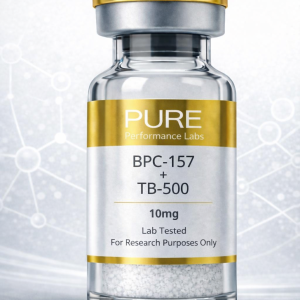

Reviews
There are no reviews yet.