

| Weight | 0,05 kg |
|---|---|
| milligrams | 10mg, 20mg, 30mg, 40mg |
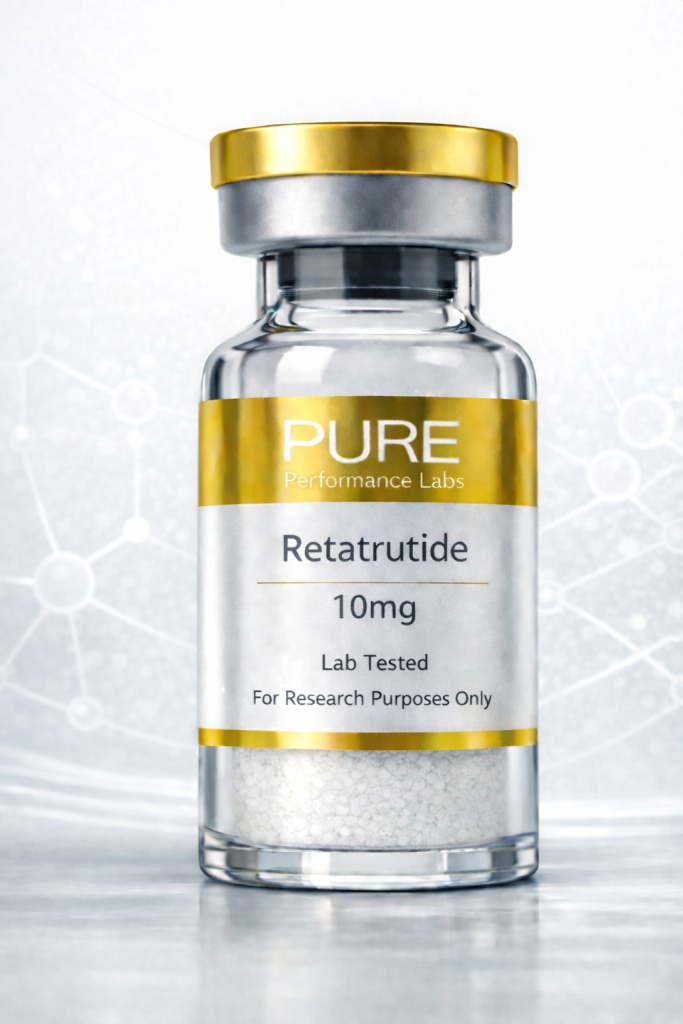
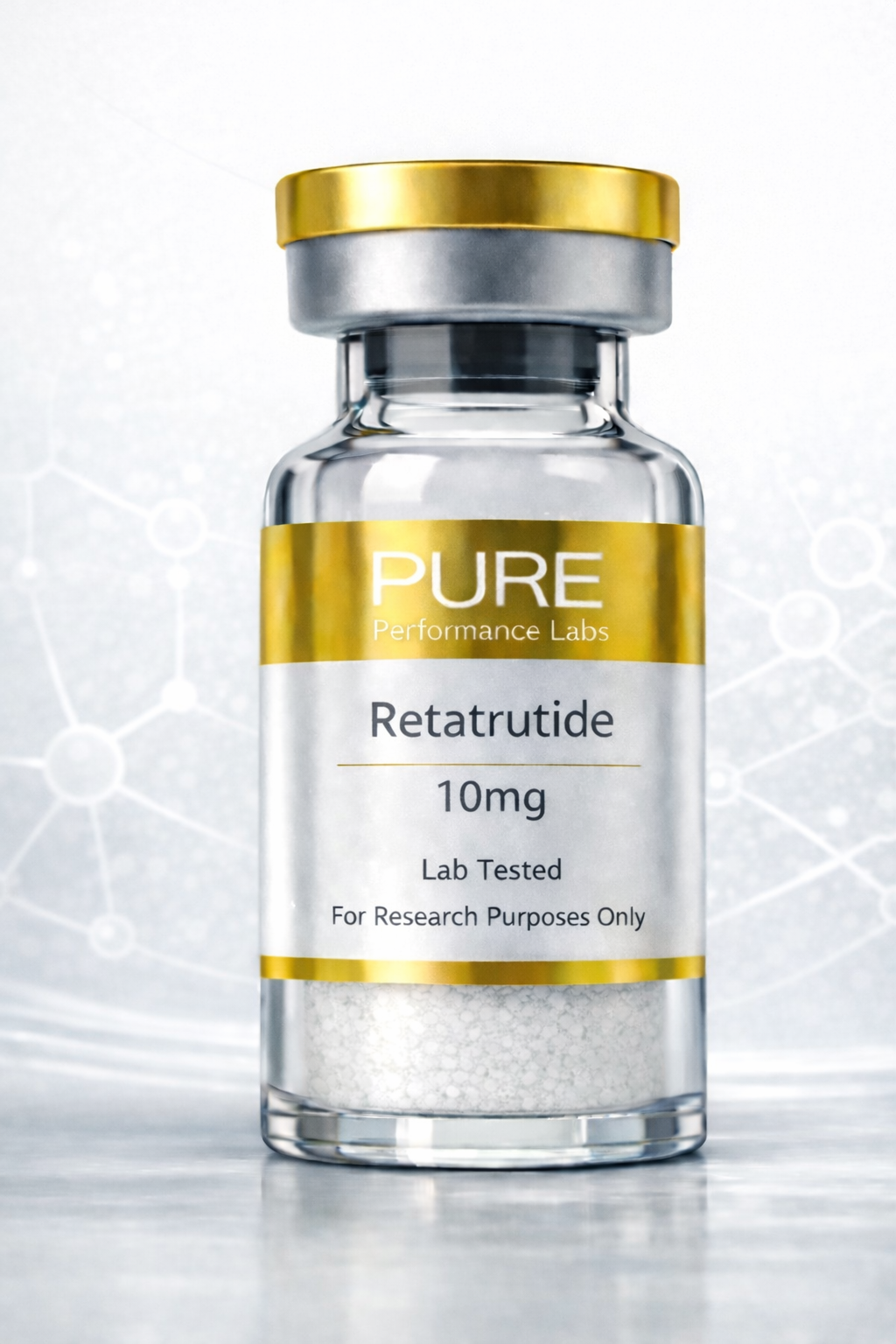
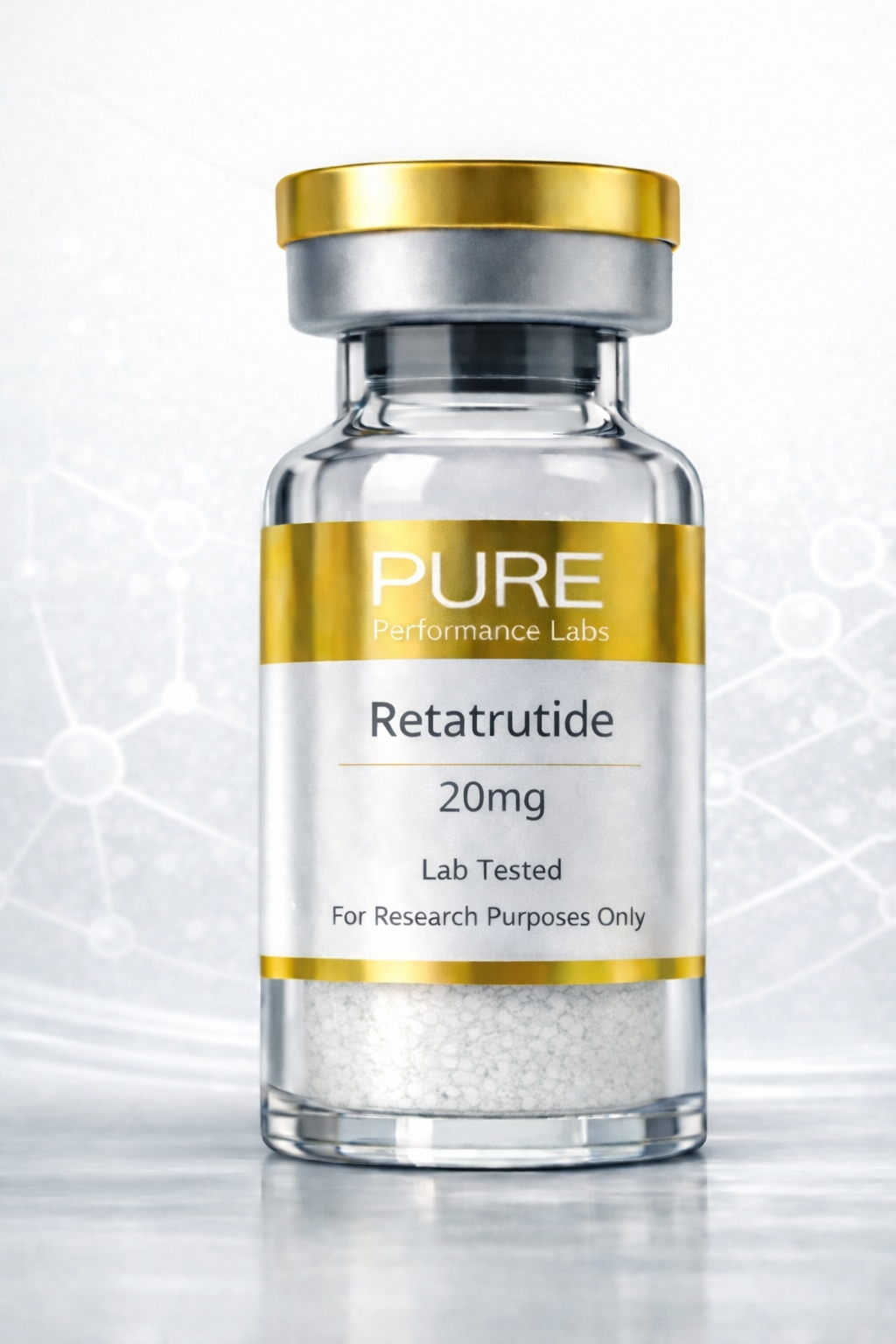
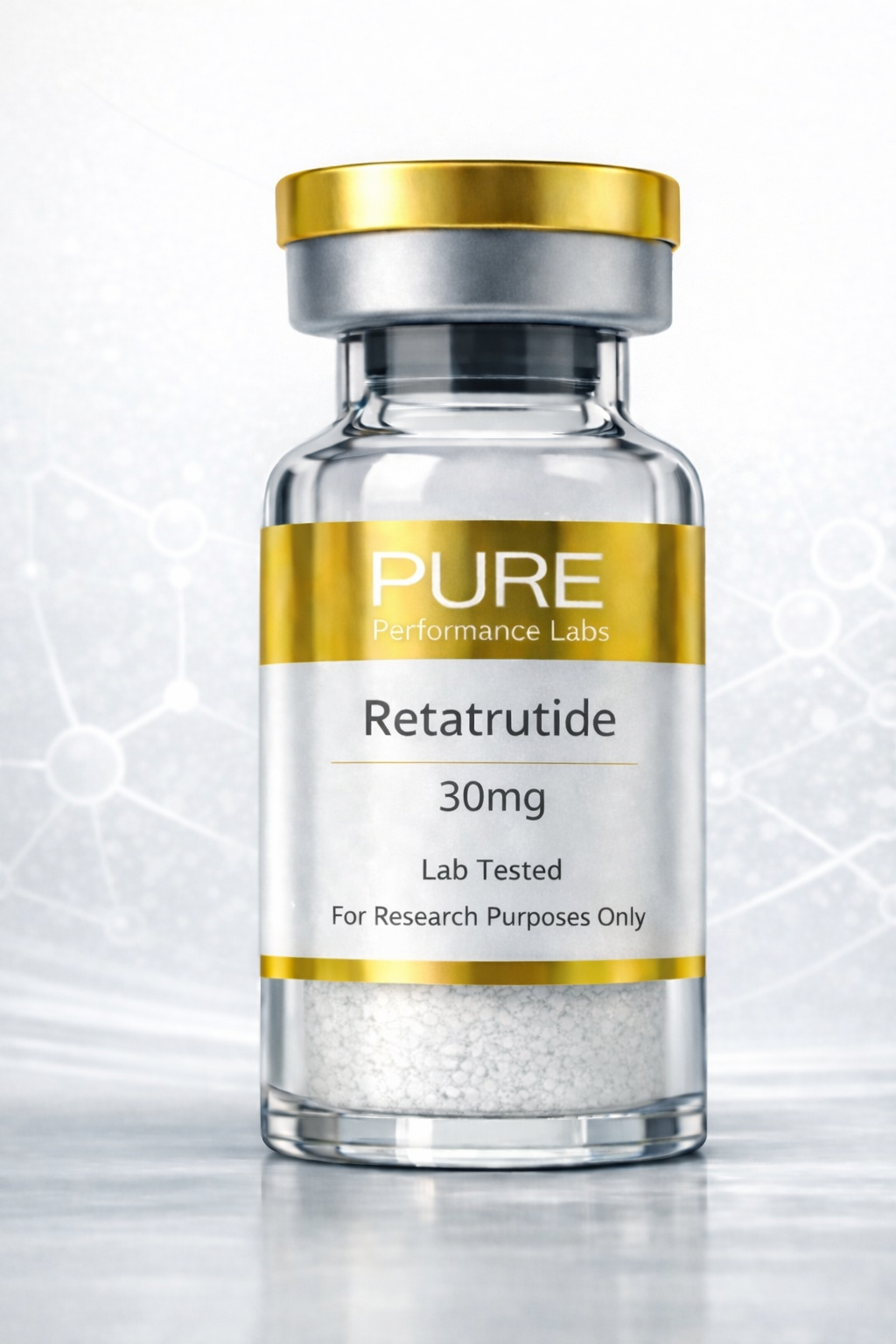
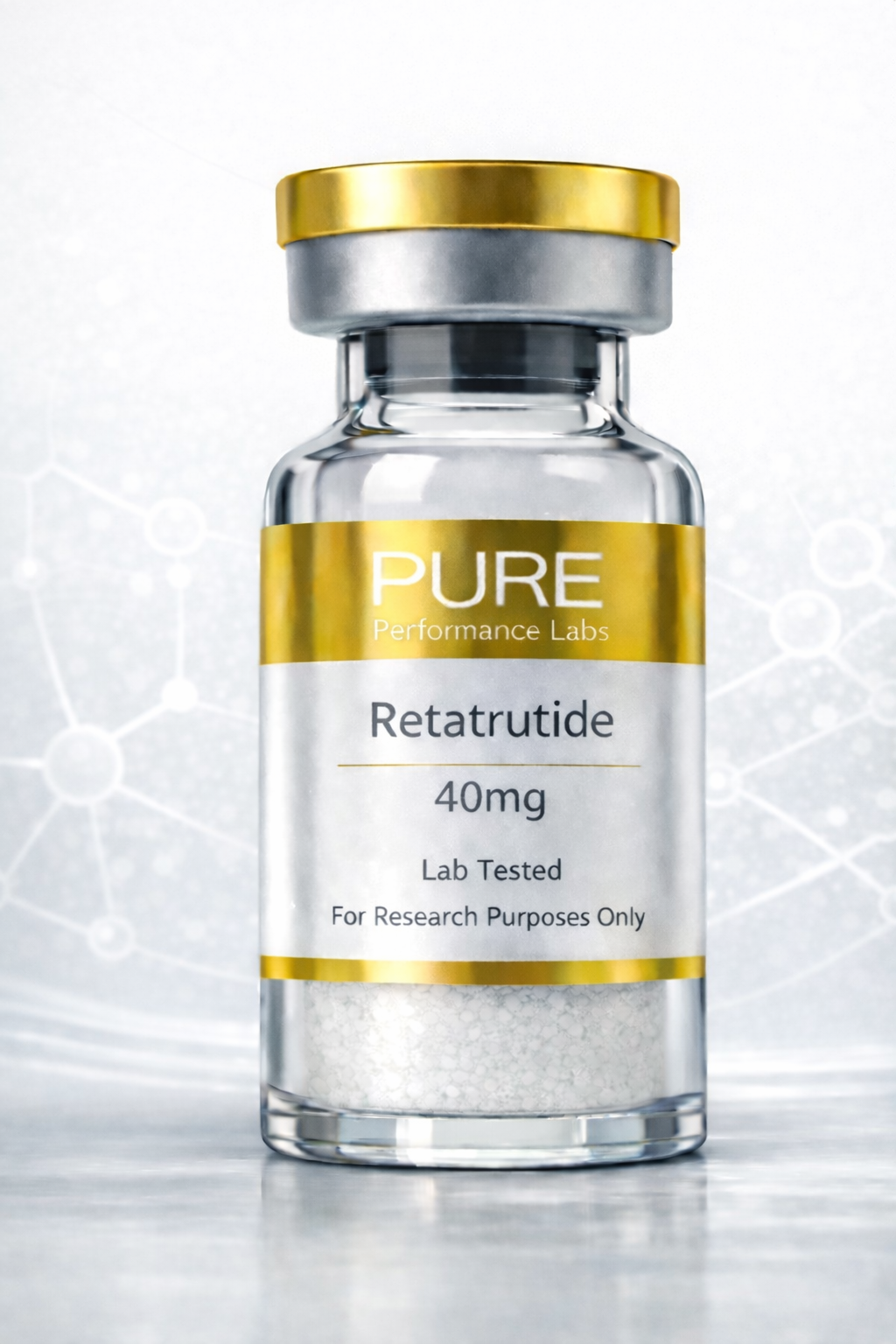
Retatrutide
Research Grade Peptide
- Research Grade
- 99% Purity
- Third-Party Verified
Reference Strength: 40mg
Price range: R899,00 through R1999,00
CAS: 2381089-83-2
Formula: C222H342N50O65
Molecular Weight: 4755.51
Chemical Name / Amino Acid Sequence: his-aib-glu-gly-thr-phe-thr-ser-asp-tyr-ser-ile-ala-leu-glu-gln-ala-arg-glu-phe-ile-ala-trp-leu-val-kgr-gly-arg (GIP/GLP-1/glucagon triple agonist)
Price range: R899,00 through R1999,00
Triple receptor agonist — studied for metabolic regulation and body weight management in research
Also available as a pre-filled Research Pen: 10mg, 20mg, 30mg, 40mg.
Shop pen accessories: Pure Pen Cartridge and Disposable Pen.
Included with your purchase
Each qualifying product includes 3ml of 0.9% Benzyl Alcohol Bacteriostatic Water.
Complimentary Purchase Kit
Every qualifying vial includes a complimentary purchase kit at no additional cost.
Research Overview
About Retatrutide
Retatrutide is a triple-action peptide that works on three different hormone pathways simultaneously to regulate appetite, improve insulin sensitivity, and boost metabolism.
How It Works in Research
It activates GIP, GLP-1, and glucagon receptors in your body - making you feel fuller longer, helping your body use insulin more effectively, and increasing your metabolic rate to burn more calories throughout the day.
Research Applications
Perfect for research into advanced weight management, metabolic syndrome, and comprehensive body composition transformation where multiple pathways need to be addressed.
This is a simplified explanation for educational purposes. For detailed scientific information, see the Product Specifications section below.
Functional Performance Profile
Fat Metabolism
Body Composition
Appetite Suppression
Energy Production
Key Benefits
- Triple Agonist: GLP-1, GIP & Glucagon
- Advanced Weight Loss
- Muscle Preservation
- Metabolic Optimisation
- Improved Energy & Focus
Product Specifications
- Purity: 99.8%
- Form: Lyophilized peptide
- Storage: 2-9°C Refrigerated
Research Information
- Type: Triple receptor agonist
- Pathways: GLP-1 / GIP / Glucagon
- Focus: Metabolic regulation
Scientific Information
Research Reference Parameters — Laboratory Use Only
- Initial phase: 2-4 mg once weekly
- Standard research range: 5-8 mg once weekly
- Advanced research range: 8-12 mg once weekly
- Research cycles typically extend 8-16 weeks
For laboratory research only.
Mechanism of Action
Retatrutide functions as a triple agonist: GIP activation enhances insulin secretion and fat metabolism; GLP-1 activation suppresses appetite and slows gastric emptying; glucagon activation increases energy expenditure and fat oxidation. This synergistic action creates a comprehensive metabolic optimization effect.
Key Research Characteristics
Triple Agonist Mechanism
Retatrutide uniquely activates GIP (glucose-dependent insulinotropic polypeptide), GLP-1 (glucagon-like peptide-1), and glucagon receptors simultaneously, offering a multi-pathway approach to metabolic regulation.
Superior Efficacy Profile
Research data suggests significantly greater weight reduction compared to single or dual agonist peptides, with up to 24% body weight reduction observed in clinical trials.
Sustained Action Duration
Long half-life allowing for once-weekly administration in research protocols, improving compliance and maintaining stable plasma concentrations.
Potential Benefits in Research
Weight Management Research
- Significant body weight reduction (up to 24% in trials)
- Enhanced appetite suppression through central mechanisms
- Improved satiety signaling
- Sustainable weight loss maintenance
- Metabolic Health
- Improved insulin sensitivity and glucose metabolism
- Enhanced lipid profile (cholesterol and triglycerides)
- Reduced hepatic fat accumulation
- Improved glycemic control in diabetic models
- Cardiovascular Research
- Blood pressure reduction in research subjects
- Improved cardiovascular risk markers
- Reduced inflammation markers (CRP, IL-6)
- Enhanced endothelial function
Safety Profile
Important: These side effects are reported from research studies and may vary by individual, dosage, and protocol. Always monitor subjects carefully and consult with qualified researchers.
Nausea and gastrointestinal discomfort (most common, typically subsides)
- Diarrhea or constipation
- Decreased appetite (intended effect, may be excessive)
- Injection site reactions
- Fatigue or dizziness
- Potential for hypoglycemia if combined with other glucose-lowering agents
- Gallbladder-related issues with prolonged use
Research Applications
Advanced obesity research and metabolic syndrome
Type 2 diabetes and insulin resistance studies
Cardiovascular risk reduction protocols
Non-alcoholic fatty liver disease (NAFLD) research
Long-term weight maintenance studies
Research Note: The information presented here is based on published scientific literature and research protocols. Individual results may vary based on research design, subject characteristics, and methodological approaches. Always conduct appropriate due diligence and follow institutional research guidelines.
REFERENCE RECONSTITUTION INFORMATION
RECOMMENDED RECONSTITUTION GUIDE This guide explains how research peptides are commonly reconstituted using bacteriostatic water (BAC water), and shows how dosing volumes correspond to syringe units. Always follow sterile preparation techniques when handling research peptides.
Always follow sterile preparation techniques when handling research peptides.
⚠️ DISCLAIMER: This guide is for educational purposes only and is not medical advice. For research use only. Not for human consumption.
General Preparation
⚠️ Important: Allow product vial and BAC water to reach room temperature before reconstituting to reduce condensation uptake
- Use bacteriostatic water (BAC water) only
- Inject water slowly down the inside of the vial
- Do not shake the vial
- Gently swirl to dissolve the peptide powder
- Store refrigerated after mixing
- Use sterile technique when handling
Reference Handling Information
Reference information for laboratory handling of Retatrutide.
- Route
- Subcutaneous injection
- Schedule
- Weekly subcutaneous injections with gradual titration
- Injection Sites
- Rotate injection sites
- Dosing
- Dose Range: 2–10 mg weekly
- Use sterile technique when handling and administering
- Goal: Support significant weight reduction and metabolic improvements
- Frequency: Once weekly (use same day each week)
- Storage - Lyophilized: Store at −20 °C or below in dry, dark conditions
- Storage - Reconstituted: Refrigerate at 2–8 °C; use within 4-5 weeks
- Do not refreeze reconstituted solution
- Allow vial to reach room temperature before opening
Experimental Study Period
STUDY PERIOD
12–24 weeks
WASHOUT PERIOD
8–12 weeks
ADJUSTMENT NOTES
Gradual reduction recommended
RESEARCH CONTEXT
Prevents metabolic adaptation and ensures sustainable weight management
These tables show common research dosages. Always use an insulin syringe marked with units for accurate measurement. Contact our research support team for additional guidance.
View Certificate of Analysis
View Certificate of Analysis Each batch of Retatrutide is independently tested by third-party laboratories. Download the Certificate of Analysis to verify purity, identity, and quality.
DOWNLOAD COA99.8%
Verified Purity
3rd Party
Lab Tested
Certified
Quality Assured
Only logged in customers who have purchased this product may leave a review.
Related products
-
Metabolic Research
Tirzepatide
Price range: R799,00 through R1699,00 Select options This product has multiple variants. The options may be chosen on the product page -
Metabolic Research
Semaglutide
Price range: R599,00 through R999,00 Select options This product has multiple variants. The options may be chosen on the product page

Reviews
There are no reviews yet.
Only logged in customers who have purchased this product may leave a review.
PURE PERFORMANCE LABS
Recommended Research Products
Explore related compounds commonly viewed alongside this product.
FOR RESEARCH PURPOSES ONLY
This product is intended for research and laboratory use only. Always consult qualified researchers and follow appropriate safety protocols.
Reviews
There are no reviews yet.