

| Weight | 0,05 kg |
|---|---|
| milligrams | 10mg, 20mg, 40mg |


MOTS-c
Research Grade Peptide
- Research Grade
- 99% Purity
- Third-Party Verified
Reference Strength: 10mg
Price range: R639,00 through R1199,00
CAS: 1627580-64-6
Formula: C100H152N28O28S2
Molecular Weight: 2174.53
Chemical Name / Amino Acid Sequence: met-arg-trp-gln-glu-met-gly-tyr-ile-phe-tyr-pro-arg-lys-leu-arg
Price range: R639,00 through R1199,00
Mitochondrial-derived peptide — studied for metabolic regulation and fat cell activity
Included with your purchase
Each qualifying product includes 3ml of 0.9% Benzyl Alcohol Bacteriostatic Water.
Complimentary Purchase Kit
Every qualifying vial includes a complimentary purchase kit at no additional cost.
Research Overview
About MOTS-c
MOTS-c is a mitochondrial-derived peptide - essentially a 'messenger' from your cellular powerhouses (mitochondria) that regulates metabolism, insulin sensitivity, and longevity.
How It Works in Research
It works by improving how your mitochondria produce energy, making your cells more efficient at burning fat and using glucose. It also activates AMPK (your body's 'master metabolic switch'), which improves insulin sensitivity and promotes fat burning over fat storage.
Research Applications
Ideal for research into metabolic optimization, improving insulin resistance, enhancing endurance and exercise capacity, promoting healthy aging, and combating age-related metabolic decline.
This is a simplified explanation for educational purposes. For detailed scientific information, see the Product Specifications section below.
Functional Performance Profile
Fat Metabolism
Cognitive Function
Energy Production
Key Benefits
- Mitochondrial Support
- Energy Production
- Metabolic Health
Product Specifications
- Purity: 99.6%
- Form: Lyophilized peptide
- Storage: 2-9°C Refrigerated
Research Information
- Type: Mitochondrial peptide
- Focus: Energy and metabolism
Scientific Information
Scientific Studies (PubMed)
- The mitochondrial-derived peptide MOTS-c promotes metabolic homeostasis and reduces obesity
- MOTS-c: A novel mitochondrial-derived peptide regulating muscle and fat metabolism
- MOTS-c translocates to the nucleus to regulate gene expression in response to metabolic stress
- MOTS-c, the most recent mitochondrial derived peptide in human aging and age-related diseases
Research Reference Parameters — Laboratory Use Only
- Initial phase: 2.5 - 5 mg 2-3 times per week
- Standard research range: 5 - 7.5 mg 2-3 times per week
- Advanced research range: 7.5 - 10 mg 2-3 times per week
- Research cycles typically extend 4-8 weeks
For laboratory research only.
Mechanism of Action
MOTS-c works primarily through AMPK activation - the cellular 'metabolic master switch.' It improves insulin sensitivity by promoting glucose uptake into skeletal muscle, enhances mitochondrial function, and activates metabolic genes. It essentially tells cells to 'burn fuel more efficiently.'
Key Research Characteristics
Mitochondrial-Derived Peptide
MOTS-c is encoded in the mitochondrial genome (mtDNA) rather than nuclear DNA - one of only three known mitochondrial-derived peptides. It acts as a 'messenger' from mitochondria to the nucleus.
Exercise Mimetic Properties
Research shows MOTS-c mimics some beneficial effects of exercise at the cellular level, activating similar metabolic pathways even without physical activity.
Age-Dependent Decline
MOTS-c levels decline significantly with age, correlating with metabolic dysfunction. Supplementation in research models restores youthful metabolic profiles.
Potential Benefits in Research
Metabolic Optimization
- Enhanced mitochondrial function and efficiency
- Improved insulin sensitivity (up to 35% in studies)
- Better glucose uptake and utilization
- Increased metabolic flexibility
- Energy & Performance
- Increased exercise endurance (20-30% improvements)
- Enhanced physical capacity and stamina
- Improved ATP production efficiency
- Better muscle glucose uptake during activity
- Longevity & Anti-Aging
- Activation of AMPK longevity pathway
- Protection against age-related metabolic decline
- Improved healthspan indicators
- Enhanced cellular stress resistance
Safety Profile
Important: These side effects are reported from research studies and may vary by individual, dosage, and protocol. Always monitor subjects carefully and consult with qualified researchers.
Generally well-tolerated
- Mild injection site reactions
- Temporary flushing or warmth
- Transient increase in energy (may affect sleep if dosed late)
- Mild digestive changes
- Rare: temporary hypoglycemia in sensitive individuals
- Possible muscle soreness initially
Research Applications
Metabolic syndrome and diabetes research
Exercise physiology and performance studies
Aging and longevity research
Mitochondrial dysfunction studies
Obesity and insulin resistance protocols
Research Note: The information presented here is based on published scientific literature and research protocols. Individual results may vary based on research design, subject characteristics, and methodological approaches. Always conduct appropriate due diligence and follow institutional research guidelines.
REFERENCE RECONSTITUTION INFORMATION
This guide explains how research peptides are commonly reconstituted using bacteriostatic water (BAC water), and shows how dosing volumes correspond to syringe units. Always follow sterile preparation techniques when handling research peptides.
Always follow sterile preparation techniques when handling research peptides.
⚠️ DISCLAIMER: This guide is for educational purposes only and is not medical advice. For research use only. Not for human consumption.
General Preparation
⚠️ Important: Allow product vial and BAC water to reach room temperature before reconstituting to reduce condensation uptake
- Use bacteriostatic water (BAC water) only
- Inject water slowly down the inside of the vial
- Do not shake the vial
- Gently swirl to dissolve the peptide powder
- Store refrigerated after mixing
- Use sterile technique when handling
MOTS-C (10mg) - RECONSTITUTION TABLES
Reference Handling Information
Reference information for laboratory handling of MOTS-c.
- Route
- Subcutaneous injection
- Schedule
- 2–3 times per week subcutaneous injections
- Injection Sites
- Rotate injection sites (abdomen, thighs, upper arms)
- Dosing
- Dose Range: 2.5–10 mg per injection, 2–3 times weekly
- Use sterile technique when handling and administering
- Cycle Length: 4–8 weeks
- Goal: Support metabolic function, insulin sensitivity, and energy regulation
- Timing: Any consistent time, 2–3 times per week
- Storage - Lyophilized: Store at −20 °C in dry, dark conditions
- Storage - Reconstituted: Refrigerate at 2–8 °C; use within 7–14 days for optimal potency
- Allow vial to reach room temperature before opening
Reference Parameters (Dosing Protocol (1ml BAC Water; 10 mg/ml))
| WEEK DOSE PER INJECTION UNITS (PER INJECTION) (ML) |
|---|
| Initial 2.5 mg 25 units (0.025ml) |
| Standard 5.0 mg 50 units (0.05ml) |
| Advanced 7.5 mg 75 units (0.075ml) |
| Maximum 10.0 mg 100 units (0.10ml) |
| Frequency: 2-3 times weekly subcutaneous injection. Goal: Support metabolic function, insulin sensitivity, and energy regulation. |
For laboratory research only.
Reference Parameters (Dosing Protocol (2ml BAC Water; 5 mg/ml))
| WEEK DOSE PER INJECTION UNITS (PER INJECTION) (ML) |
|---|
| Initial 2.5 mg 50 units (0.05ml) |
| Standard 5.0 mg 100 units (0.10ml) |
| Advanced 7.5 mg 150 units (0.15ml) |
| Maximum 10.0 mg 200 units (0.20ml) |
| Frequency: 2-3 times weekly subcutaneous injection. Goal: Support metabolic function, insulin sensitivity, and energy regulation. |
For laboratory research only.
View Certificate of Analysis
View Certificate of Analysis Each batch of MOTS-c is independently tested by third-party laboratories. Download the Certificate of Analysis to verify purity, identity, and quality.
DOWNLOAD COA99.6%
Verified Purity
3rd Party
Lab Tested
Certified
Quality Assured
Only logged in customers who have purchased this product may leave a review.
Related products
-
Metabolic Research
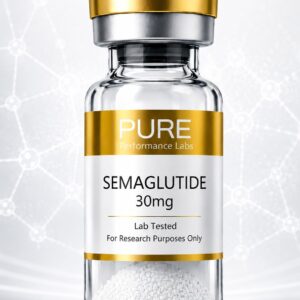
Semaglutide
Price range: R599,00 through R999,00 Select options This product has multiple variants. The options may be chosen on the product page -
Metabolic Research
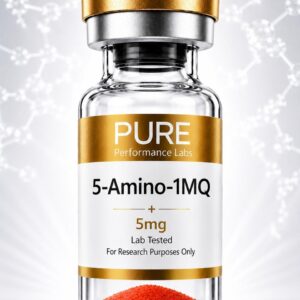
5-Amino-1MQ 5mg
Price range: R425,00 through R699,00 Select options This product has multiple variants. The options may be chosen on the product page
Reviews
There are no reviews yet.
Only logged in customers who have purchased this product may leave a review.
PURE PERFORMANCE LABS
Recommended Research Products
Explore related compounds commonly viewed alongside this product.
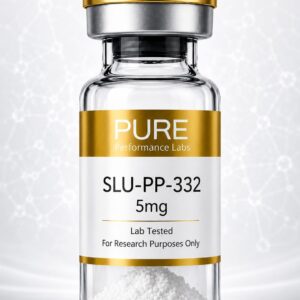
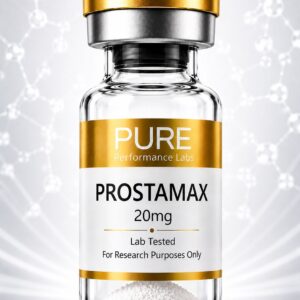

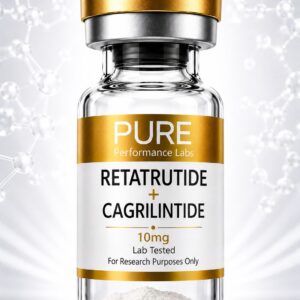
FOR RESEARCH PURPOSES ONLY
This product is intended for research and laboratory use only. Always consult qualified researchers and follow appropriate safety protocols.
Reviews
There are no reviews yet.